

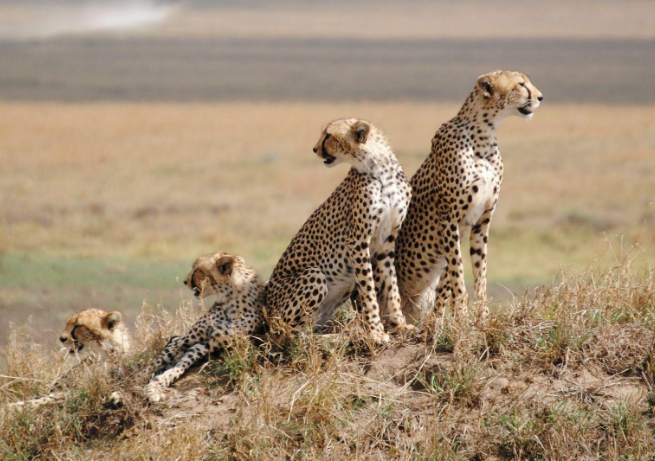
The Serengeti does not change with dates on a calendar. It changes with rain, grass, temperature, and instinct. One month, the plain feels endless and quiet. Another, they pulse with hoof, wing, and movement in every direction.
Understanding Serengeti safari seasons isn’t about memorizing months; it’s about recognizing how wildlife responds to weather and how that response shapes what travelers actually see. In the Serengeti National Park, seasons are defined by animals and weather, not the calendar.
Understanding Serengeti Seasons
The Serengeti operates on a simple but powerful cycle: rainfall, grass grows, animals move. Rainfall patterns determine where fresh grazing appears and where water lingers longest. Temperature affects how active animals are and how far they travel each day. Together, these factors guide wildlife movement across the ecosystem.
Rather than four traditional seasons, the Serengeti shifts between:
- Drier periods, when water become scarce, and animals concentrate
- Greener periods, when rain spread life across a wide area.
These natural rhythms shape everything from predator behavior to migration timing, making Serengeti wildlife seasons deeply interconnected with weather.
Dry Season Wildlife Patterns
During dry months, the Serengeti becomes more predictable and often more dramatic. As surface water disappears, animals gather around rivers, permanent waterholes, and shaded valleys. This concentration makes wildlife easy to find and observe, particularly large mammals.
Key characteristics of the dry season include:
- High visibility due to short grass
- Frequent predator sighting near water source
- More consistent game viewing day after day
Lions, leopards, and hyenas take advantage of reduced cover, while elephants and buffalo travel established routes between feeding and drinking areas.
For many travelers, this period represents classic safari imagery and reliable sightings, making it a popular choice for those focused on big game encounters and photography. This predictability is why dry periods are often emphasized when discussing the Best time to visit Tanzania for Serengeti Safaris.
Green Season Changes
When the rains arrive, the Serengeti transforms almost overnight. Grasslands turn lush. Seasonal stream reappears. Wildlife spread out, following fresh grazing across a wide area. While animals may be less concentrated, the ecosystem becomes rich and more dynamic.
The green season offer:
- Abundant newborn animals
- Increased birdlife and migratory species
- Dramatic sky and vibrant landscape
Herbivores no longer rely on a fixed water source, which means sighting can feel more exploratory. Predators adjust their hunting strategy, while birdlife flourishes in wetland and grassland.
Although some travelers worry about rain, showers are often brief and localized. The reward is a quiet Serengeti, characterized by subtle interactions and natural abundance. This balance between movement and growth defines the Serengeti safari experience during the green months.
Migration and Seasonal Shifts
The Great Migration is the Serengeti’s most visible response to seasonal change, but it’s driven entirely by weather. Wildebeest, zebra, and gazelle follow a rainfall pattern that dictates grass quality. As storms shift across the ecosystem, so do the herds.
Seasonal highlights include:
- Southern plain during calving when the grass is fresh
- The central area as herds regroup and move north
- River crossing triggered by dwindling grazing elsewhere
Importantly, migration doesn’t follow a fixed date. Rainfall variation can shift movement weeks early or later than expected. Understanding Serengeti migration seasons means recognizing that weather, not the calendar, decides where wildlife will be. This is why flexible planning and knowledgeable guides are essential for meaningful migration viewing.
Choosing the Right Season
The best Serengeti season depends on what you want to experience, not on what’s labeled best online.
Ask yourself:
- Do you want dense wildlife concentration or wide-open exploration?
- Is a dramatic landscape more important than a guaranteed sighting?
- Do you value solitude, or are you comfortable sharing sights?
Travelers seeking consistent predator activity and ease of viewing often favor dry periods. Those drawn to birdlife, calving, and changing scenery may prefer green months. Understanding how seasons shape wildlife behavior allows you to align expectations with reality. This alignment is what turns a good safari into a deeply satisfying one.
That’s why choosing the best time to visit Tanzania, especially the Serengeti, starts with understanding seasonal movement rather than chasing peak season.
Weather’s Subtle Influence on Safari Days
Weather doesn’t just affect where animals go, it shapes daily safari rhythm. A cool morning brings increased movement. Midday heat slow activity. After rainfall, animals may appear in unexpected places, responding to fresh growth or a temporary water source.
Guides read:
- Wind direction
- Cloud cover
- Ground condition
These subtle cues influence where the drive begins, how long the sighting lasts, and when to wait rather than move. This awareness is what separates a rushed Tanzania Safari from a thoughtful one and why our experienced guides are central to navigating Serengeti seasons successfully.
CONCLUSION: WHY SEASONAL KNOWLEDGE MATTERS
Without an understanding of the seasons, a Serengeti safari experience can feel random. With it, patterns emerge. You start to notice repeated movement, preferred grazing areas, and predator territories shaped by weather and terrain. Wildlife encounters become connected moments rather than isolated sightings.
Seasonal awareness allows travelers to:
- Appreciate why animals appear where they do
- Adjust expectations naturally
- Feel part of the ecosystem rather than outside it
This deep understanding transforms how the Serengeti is experienced.
Plan a Serengeti safari that aligns with seasonal wildlife movement and weather conditions.
